
Energized by finding out that one of the ghosts actually lived, Sanderson decided to take an active role in investigating the ghosts. But ghosts aren’t the only hazard out there. And Sanderson doesn’t yet know what they can do. But you can find out, along with her, in the newest chapter of Nightfeather: Ghosts, chapter 10, “The perils of an amateur magician.”
Back in chapter 9, it seemed curious to Miss Angela Farr that the Secret Service should send an agent or two out to investigate the controversy over ownership of the Maverick Mine. It shouldn’t have. The Secret Service played a role in the most famous case of land fraud in the American West: the Peralta-Reavis Land Grant.

James Addison Reavis
The story began, as far as the public knew, in 1882, when James Addison Reavis (1843 – 1914) filed a land claim in an Arizona court. According to Reavis, he had acquired ownership of a Spanish deed, a land grant given to one Don Miguel Nemecio Silva de Peralta de la Córdoba (1708 – 1824) by the King of Spain for unspecified military services rendered. Under the terms of of the Treaty of Guadalupe Hidalgo, by which the United States had acquired the Southwest from Mexico in 1848, such grants were to be honored by American courts. The deed described an area of 18,600 square miles embracing much of central Arizona and a hunk of western New Mexico. It included productive silver mines, a transcontinental railroad, and the city of Phoenix. Reavis produced many documents to support his claim, enough that the silver mine and the railroad decided to pay what he demanded rather than contest his title in court. Reavis rapidly became a rich man.

Don Miguel Peralta, founder of the Barony of Arizona
But not everyone accepted the validity of the Peralta grant. The major newspapers in Phoenix and Florence came out against Reavis, and formed an organization to oppose the claim. When the territory’s attorney general won a lawsuit against Reavis in 1885, Reavis realized the jig was up, and fled to California.
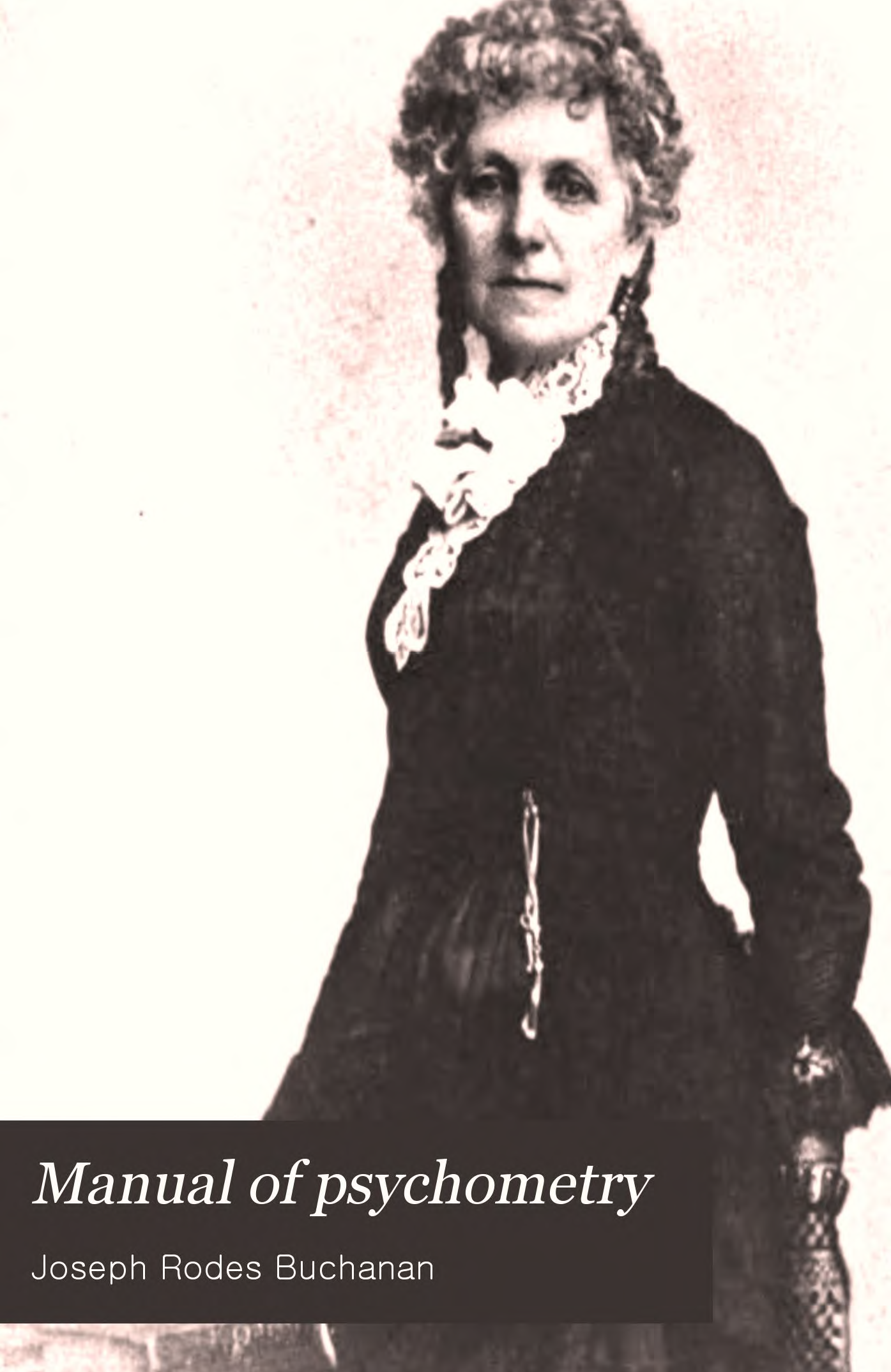
The end of Reavis and the Peralta Grant? Hardly. Reavis was a resourceful individual. He had realized long before that his original story of how he obtained title to the deed was awkward and opened him up to lawsuits, so he had already begun building a new basis for his claim. How? He found the Peralta heiress! And then he married her, in 1882. (He was still married to his first wife, who divorced him in 1883 for desertion. Don’t let this bother you; it didn’t bother Reavis.) Once he left Arizona, he picked his wife up, went out to the East Coast to recruit new supporters, and then to Europe for much the same purpose. Or so he said.

The Peralta heiress, Reavis’s second wife
James Addison Peralta-Reavis, as he now styled himself, returned to his “Barony of Arizona” in 1887 to file his new claim. He was full of plans to develop his barony, still on the lookout for any money he could make from it, and living like the nobility he claimed for his wife.
This time, the opposition to the grant crystallized around the Surveyor General of Arizona Territory, Royal Johnson. Johnson had already done some investigation of the Peralta Grant the first time around. So when called upon to report on it, he issued a damning report in 1889, accusing Reavis of fabricating and altering an amazing number of documents. In short, according to Johnson, the Peralta Grant was a fraud.
Reavis sued, sued the Federal Government in fact, for title to the grant. What else could he do? But he had taken matters too far. The Federal Government called on experts, experts who knew about Spanish legal documents, experts in document analysis. And they sent out investigators to check on the facts, including a Secret Service agent named Levi A. Hughes who investigated the birth records of Reavis’s wife in California. The results were devastating. The experts confirmed all of Royal Johnson’s conclusions, and then some. Reavis, it turned out, was a master forger, who had learned all he could about the types of documents he had to forge, and had carefully altered or inserted forged records into legitimate archives. His trip to Europe? It wasn’t just for pleasure, as Reavis had been inserting more phony documents in the Spanish archives. Reavis was good at forgery, but as it turned out not quite good enough for the government’s experts. There was no Don Miguel Peralta. There was no grant. And Reavis’s wife was no baroness.
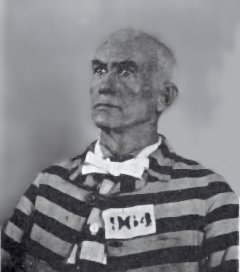
Reavis as a prisoner
In 1895, the Court of Private Land Claims ruled against James Addison Peralta-Reavis. But the government didn’t stop there, no. They charged him with 42 counts of fraud, tried him, convicted him, and jailed him for two years.
Reavis got out of jail in 1898, three months early thanks to good behavior. But his luck had run out. His (second) wife had left him and taken their children, and she divorced him in 1902. Penniless, he died in a poor house in 1914.
But he achieved the immortality of fame, or infamy, if you like. His was the greatest case of land fraud and forgery in this nation’s history. It was so famous that in 1950, Hollywood made a movie about it, The Baron of Arizona. It starred a young Vincent Price, not yet 40, not yet a horror movie figure. And at the end, the movie Reavis left jail to find his wife waiting for him. I suppose whether you like the movie’s ending, or the historical one, depends on just what you think of James Addison Reavis.








 Sillyverse